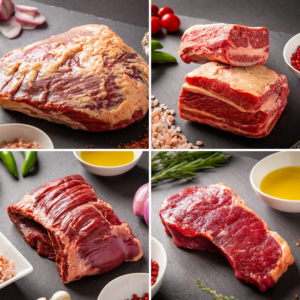

When you want real nourishment, not just something warm in a bowl, soup made from beef stock bones and whole bones is hard to beat. This is old-school cooking that modern nutrition keeps validating. Rich flavor, deep minerals, and a base that turns simple ingredients into something restorative.
If you’ve ever wondered how to make soup using beef stock bones, this guide walks you through it step by step.
Why Use Beef Stock Bones and Whole Bones?
Beef stock bones and whole bones, especially knuckle bones, marrow bones, joint bones, and meaty whole bones, are loaded with natural collagen, gelatin, and minerals that are slowly released during cooking.
Using a mix of bones gives you both structure and substance. Stock bones provide collagen and gelatin, while whole bones add richness, marrow, and actual meat to turn stock into a complete soup.


- Deep, savory flavor without additives
- Natural collagen for joints, skin, and gut health
- A nutrient-dense base for soups, stews, and sauces
- Better digestion and satiety compared to boxed broths
Using grass-fed, grass-finished beef bones matters. Cleaner inputs mean cleaner stock.
Ingredients You’ll Need
-

 Price range: $21.00 through $24.00
You save
$7.00 /lb Select options This product has multiple variants. The options may be chosen on the product page
- 2–3 lbs beef stock bones and whole bones
- 10–12 cups cold filtered water
- 2 tablespoons apple cider vinegar (helps extract minerals)
Optional aromatics (recommended):
- 1 onion, halved
- 2 carrots, chopped
- 2 celery stalks, chopped
- 3–4 garlic cloves
- 1–2 bay leaves
- Salt to taste
Once the stock is done, you can turn it into any soup you want.
Step-by-Step: How to Make Beef Stock Soup
Step 1: Roast the Bones (Optional but Worth It)
Roast bones at 400°F for 30–45 minutes. This deepens flavor and gives your soup a richer color.
Step 2: Build the Stock
Add bones to a large stockpot or slow cooker. Cover with cold water and add apple cider vinegar. Let sit 20–30 minutes before heating.
Bring to a gentle simmer. Do not boil aggressively.
Step 3: Simmer Low and Slow
- Skim foam during the first hour
- Add vegetables and bay leaves
- Simmer uncovered 12–24 hours (slow cooker works great)
The longer it simmers, the more collagen you extract.
Step 4: Strain
Remove bones and vegetables. Strain the liquid and season with salt.
At this point, you have pure beef stock. If it gels when cooled, you nailed it.
Turning Stock Into Soup
Now the fun part. Use your stock as the base for endless soups:
Simple Healing Soup
- Heat stock
- Add shredded beef, carrots, and zucchini
- Finish with salt and herbs
Hearty Beef Vegetable Soup
- Add ground beef or chuck roast
- Potatoes, carrots, celery
- Simmer until tender
Bone Broth Sip
- Warm stock
- Add salt and a splash of lemon
- Drink straight from a mug
Storage Tips
- Refrigerate up to 5 days
- Freeze in jars or silicone trays for up to 6 months
- Freeze in portions so it’s easy to grab and use
Start With High-Quality Beef Stock Bones
Arizona Grass Raised Beef offers 100% grass-fed, grass-finished beef stock bones, perfect for nutrient-dense soups and homemade bone broth. For a limited time, buy one pack of beef stock bones and get one free, making it easy to fill your freezer with clean, nourishing ingredients.
👉 Shop beef stock bones here:
https://azgrassraisedbeef.com/shop/beef-bones/stock/
Shipped nationwide or available for local Arizona pickup.